BANGLADESH—On October 14, 2025, in a garment factory in Dhaka’s Mirpur area, sixteen workers died owing to a fire that ripped through the factory. After the incident, survivors described the chaos and panic that ensued. Workers were desperate to climb out of windows or run through the narrow hallways for the exit. Amidst the chaos and smoke, the workers couldn’t find the doors and exits to get out. The accident is still under investigation, but initial reports indicate serious lapses in emergency preparedness. This accident can’t be seen as an isolated incident.
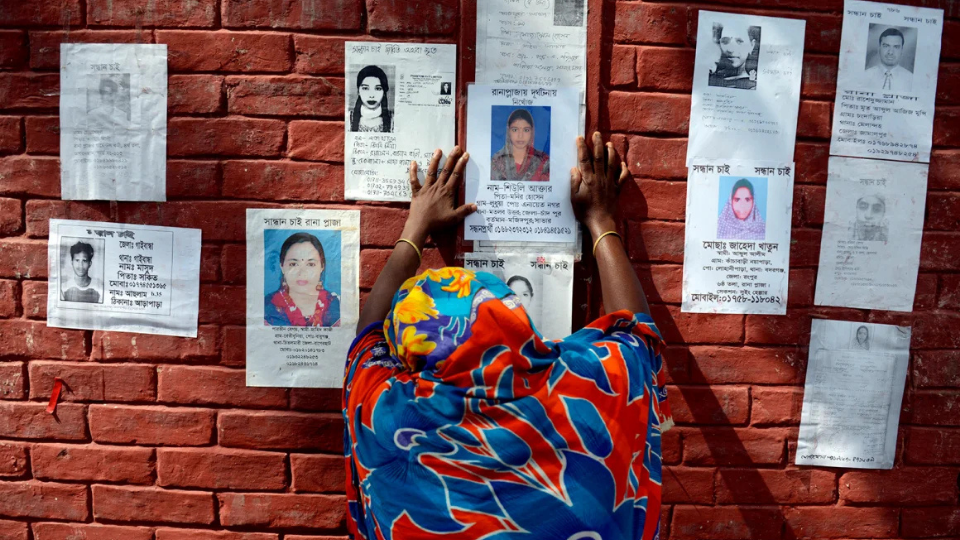
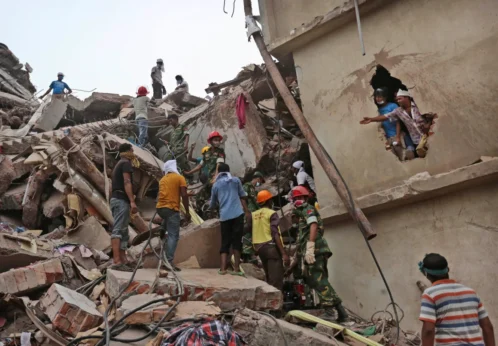
Back in 2013, 1,100 workers died being crushed under a collapsed building, Rana Plaza. Before the Rana Plaza, there was the horrific accident of the Tazreen Fashions Fire in 2012, which killed at least 112. After every disaster, there have been headlines in all the dailies, discussions on late-night shows, and new sets of promises. The government would rush to the sites with inspections, global brands would issue statements of condemnation, and temporary funds of compensation would appear on the scene. Within a couple of months, the scenes would return to normal, and the workplace would remain just as unsafe as before.
The problem here doesn’t lie with mere accidents; rather, the issue here is structural. The law isn’t enough to safeguard the workers and prevent these accidents. The regulatory frameworks of the country are weak, the enforcement is not properly monitored, and it is quite easy to bend. The only possible solution to this can be a real legal overhaul.
Contracts built for profit, not protection
The first basis in the legal framework is the commercial contract. Any piece of cloth made in the country is under such a contract, generally a contract between a European or American buyer and a Bangladeshi local supplier. The important aspect of the business is determined through these contracts, e.g., the delivery dates, prices of the product, penalties in case of delays, and the quality standards and other metrics for the products. However, none of these commercial contracts has anything to say about the workers.
The foundation of any commercial contract in Bangladesh is tied to the Contract Act of 1872. The primary goal of this act is to determine and protect the conditions of commercial transactions. Thus, from a very foundational principle, this act does not determine the ethics or safety of transactions. The law is centered around the right to profit; this has nothing to say about the right to life.
As the contract protects two parties of a transaction, in this case, the foreign buyer and the local seller, it is not concerned about a “third party”, i.e., workers. If an order is cancelled by a brand, the loss falls upon the owner. In that case, the owner may appeal to the court for damages. However, if the cancellation of the order results in a wage cut or a reduction in safety costs, then the workers have no legal remedy. As they are not a party to the contract, they have no say in this. Additionally, under Bangladesh law, there is no statutory prohibition for including labor or safety clauses in export agreements.
In very simple terms, the contracts that contribute to a country’s major earnings have no inclusivity for the very workers who make that happen. The major labor act in Bangladesh is the Labour Act, introduced in 2006. This was introduced after the massive and chaotic protests in Dhaka in May 2006, which were participated in by thousands of workers. This act resulted in wage increases, a weekly day off, maternity leave for women, and the right of trade unions to represent garment workers.
Later, the Labour Rules were introduced in 2015. Both laws were limited within the employer-employee relationship and, as such, don’t involve the global brands and intermediaries. However, the provisions of the commercial contracts are the ones that ensure certain legal bindings for the suppliers here in Bangladesh in the context of the weak enforcement of laws in the country.
How the global legal order is changing
While Bangladesh stands still in terms of these regulations, the global legal frameworks are shifting fast for the better. In 2024, the Corporate Sustainability Due Diligence Directive (CSDDD) was adopted by the European Union. This is an epic milestone as it will compel the companies to identify and protect human rights and environmental hazards throughout their entire value chains.
In practice, a retailer from Europe, if sourcing clothes from Bangladesh, is legally obliged to ensure the following:
- To map its supply chain and identify potential human-rights risks.
- To ensure prevention of those potential risks, e.g., have safety audits and ensure minimum wages.
- These actions should be reported in the public domain.
- Owing to failure, the companies would face legal consequences such as fines or exclusion from public contracts.
Another law passed by Germany, the Supply Chain Due Diligence Act (Lieferkettensorgfaltspflichtengesetz or LkSG), which took effect in 2023, provides similar terms. It compels companies with more than 1,000 employees to adopt a human rights policy, conduct risk analyses, establish a proper and accessible grievance mechanism, and publish annual reports on their actions. Any non-compliance with these terms can result in a fine of up to 2% of global turnover. Additionally, the company can be banned from public procurement. In conclusion, these types of laws shift the burden upward, the responsibility lies in the massive boardroom, and then from the factory floor.
Why Bangladesh must catch up
In this situation, a good number of Bangladeshi suppliers can face difficulty in procuring orders owing to strict foreign regulations. For example, the European Union’s CSDDD not only compels the company to be accountable for any violations in the supply chain but also encourages the inclusion of these labor and safety clauses in its contracts with the suppliers. Bangladesh, although it doesn’t have such a domestic legal framework to support these standards, the factory is going to suffer from the foreign legal bindings.

The legal framework here in Bangladesh needs to be revisited. The backdated Contract Act of 1872 does not even have the framework to recognize and enforce these clauses locally. So, the suppliers are in a squeeze; the international standards require them to comply with labor and safety measures, but the domestic legal framework doesn’t offer any real support. As a result, if the domestic supplier fails to meet these standards, the local legal system cannot hold the owners accountable. The workers are thus exposed to dangers, and the factories are left vulnerable to penalties or contract cancellations abroad. To address this lack, three concrete steps can be introduced:
- Revision of the Contract Act (1872): The law should compel every export contract to include labor and safety standards. This would result in factories acknowledging and taking steps to ensure the standards. Failing which, the local legal system can act, and thus doesn’t leave workers’ protection simply in the hands of foreign buyers.
- Acknowledge “third-party rights” in contracts: The workers should have the opportunity to claim damages if negligence by a brand or factory contributes to unsafe working conditions. Through the acknowledgement of third-party rights, workers would be empowered to demand accountability and have a legal voice to prevent tragedies.
- Formulate a supply chain accountability law: Bangladesh could formulate this as per Germany’s LkSG. This requires the companies to put the reports about human rights and safety practices in the public domain. This transparency would give both the workers and authorities a tool to monitor compliance.
These reforms, which might change some technical aspects, can bring about profound changes in working conditions. Such clauses can implement practical safeguards: unlocked emergency exits, regular fire drills, functioning alarms, proper storage of flammable materials, and ultimately, workers going home safely at the end of the day. Without these legal foundations, every new tragedy—whether in Mirpur, Rana Plaza, or Tazreen—remains not just possible, but likely.
As with all news-analysis and op-ed articles published by People’s World, the views reflected here are those of the author.
We hope you appreciated this article. At People’s World, we believe news and information should be free and accessible to all, but we need your help. Our journalism is free of corporate influence and paywalls because we are totally reader-supported. Only you, our readers and supporters, make this possible. If you enjoy reading People’s World and the stories we bring you, please support our work by donating or becoming a monthly sustainer today. Thank you!
CONTRIBUTOR