I remember when I was first introduced to the Olympic Games. It was a few years after the end of the Cold War. I was entering fifth grade—a Cub Scout, still innocent to the ways of the world—at a time when America stood as the world’s remaining superpower, T.G.I.F. ruled television, and my understanding of the world was just beginning to take shape.
I remember watching the games with awe. I learned the meaning of sportsmanship, teamwork, camaraderie, and international solidarity.
I was introduced to a vast world beyond my own: different nations, languages, cultures, and traditions, all brought together in a spectacle of shared humanity. I witnessed the pageantry, the artistry, and the electric global stage where competition unfolded not through war or coercion, but through mutual respect and excellence.
Even at that young age, I understood that the Olympics mattered. They represented rivalry without hatred, competition without violence, and the culmination of lifetimes of sacrifice and preparation. They placed nations on the world stage—not to dominate, but to engage—allowing diplomacy, pride, and values to be tested peacefully on the field of play.
Today, that vision is being undermined.
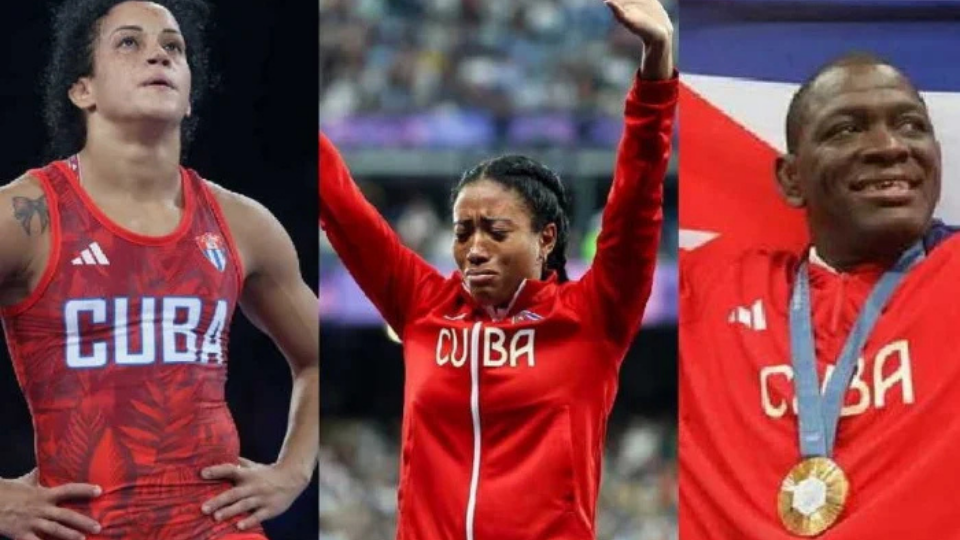
The current policy of the United States government to deny visas to Cuban athletes, coaches, and officials—thereby preventing their participation in qualifying events for the 2028 Los Angeles Olympic and Paralympic Games—runs directly counter to the spirit, history, and rules of the Olympic Movement. In practice, this policy amounts to a de facto ban on Cuba’s participation in the Olympics, imposed not by the International Olympic Committee but by a host nation’s immigration policy.
This approach contradicts decades of established U.S. practice and violates the principles enshrined in the Olympic Charter, which explicitly opposes discrimination based on nationality and affirms the right of all eligible athletes to compete without political interference.
Recent cases make this painfully clear: Cuban teams and officials denied visas for qualifying tournaments in Puerto Rico and the United States; youth teams barred from competition; athletes punished not for any violation of sporting rules, but for the passport they carry. These actions do not enhance security, strengthen diplomacy, or uphold Olympic values. They do the opposite.
The Olympic Games exist precisely to rise above political disputes—not to erase them, but to offer a different model of engagement. Historically, only the International Olympic Committee has barred nations from participation, and only when the global community of member states overwhelmingly agreed that such action was justified. Unilateral visa denials by a host country set a dangerous precedent that threatens the universality of the Games themselves.
Moreover, these denials do not only harm Cuban athletes. They also deny people living in the United States—regardless of their views on the Cuban government—the opportunity to witness world-class competition and to experience the very international exchange the Olympics promise. The Games belong to the world, not to any single administration or political agenda.
Los Angeles will host the 2028 Olympics as a representative of the Olympic ideal. That role carries responsibility. The International Olympic Committee, the U.S. State Department, and the LA28 Organizing Committee must work together to ensure that all qualified athletes are granted visas to participate in qualifying events and the Games themselves.
To do otherwise is to hollow out the meaning of the Olympics—to reduce them from a global celebration of human excellence to a tool of exclusion and political signaling.
As with all news-analysis and op-ed articles published by People’s World, the views reflected here are those of the author.
We hope you appreciated this article. At People’s World, we believe news and information should be free and accessible to all, but we need your help. Our journalism is free of corporate influence and paywalls because we are totally reader-supported. Only you, our readers and supporters, make this possible. If you enjoy reading People’s World and the stories we bring you, please support our work by donating or becoming a monthly sustainer today. Thank you!
CONTRIBUTOR