In recent years, moviegoers have grown tired of the constant barrage of comic book superhero films. What once felt like a novelty—exciting adaptations of visual literature that have been a staple of American culture for decades—soon came to feel like a constant, soulless cash grab. There hadn’t been a true mainstream hit and cultural phenomenon—bringing comic book fans and non-fans together—since the days of Avengers: Endgame and Black Panther.
The latest iteration of the Superman character by filmmaker James Gunn appears aimed at breaking out of the comic book niche, instead telling a universal story about immigration, American ideals, and the dangers of militarization. It’s a refreshing take on a character so ingrained in the cultural fabric of the United States. The film never takes itself too seriously, yet it manages to tell a compelling story relevant to our current political landscape.
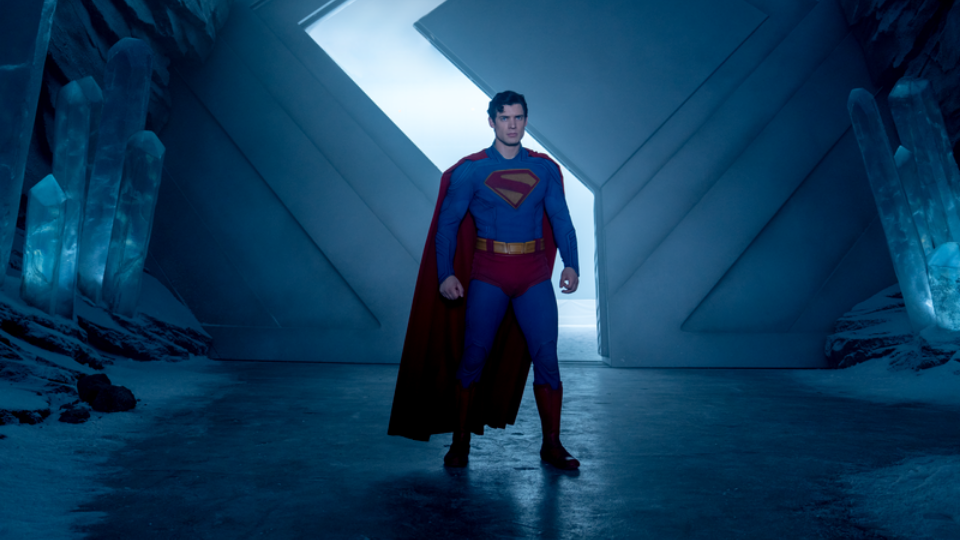
Based on the DC Comics character of the same name, Superman (2025) is written and directed by Gunn and is the first film in the DC Universe (DCU) produced by DC Studios, marking the second reboot of the Superman film series. The first reboot was Man of Steel (2013). Not necessarily an origin story, Superman jumps right into things by laying out previous happenings in text form on the screen. Viewers are told that 30 years ago beings from another planet sent their son, Kal-El, to Earth to escape the destruction of their home, Krypton. Raised as Clark Kent by adoptive human parents Jonathan and Martha Kent in Smallville, Kansas, the Kryptonian gains incredible powers from the sun. 
Inspired to heroism, Clark introduced himself as Superman, the most powerful metahuman on Earth, to the world three years prior. Clark maintains his secret identity and a job as a reporter for the Daily Planet newspaper in Metropolis. It is explained that three weeks earlier, Superman had stopped an invasion by Boravia, an ally of the United States, of the neighboring country of Jarhanpur. Superman loses his first fight against the mysterious “Hammer of Boravia,” who cites Superman’s involvement in the war as the reason for his actions. The film picks up amid the aftermath of that fight.
The decision to explain previous events quickly onscreen to bring viewers immediately into the current story is a smart one on Gunn’s part. Usually, when it comes to superhero films, there’s a lot of emphasis on origin stories that often promise more things to come, as they simply lay the groundwork for a character or franchise. The drawback of that is stories usually feel incomplete and just a simple introduction rather than a tale that can stand on its own.
Superman, instead, decides to tell a fully-realized story that doesn’t require the audience to have watched any previous films or connected films in the DC Universe. It’s a breath of fresh air in a world where the equally popular Marvel Cinematic Universe (MCU) relies so heavily on audiences having done something akin to homework by watching all of the films in the franchise to understand bits and pieces of the plot in every new addition to the film series.
And the story in Superman, for the most part, is a pretty interesting one with a number of themes relevant to current social and political divides. When Superman becomes involved in foreign affairs, for instance, themes of xenophobia and militarization emerge. Although Superman is a hero to the people, some have never truly come to trust him, and thus, he always walks a thin line between being exalted and vilified. Although he leans into ideals often associated with America, such as freedom, liberation, and human compassion, some characters in the film play on the idea that he is not “from here” and is therefore not truly one of “us.”
It’s hard not to see the parallels between this story and our current world. Images of U.S. Immigration and Customs Enforcement (ICE) agents conducting raids and deportations targeting many working-class people who happen to be undocumented come across our TV screens every day lately. Heated debates on what constitutes a “real American” and who “deserves” to be here frequently play out on podcasts and in the corporate media. In reality, Superman is the ultimate “undocumented” resident, and the movie makes the case that it isn’t only your origin but what you do that makes you who you are.

When discussing the question of war and occupation, Superman takes the stance that war is never good and that if he’s able to stop people from being killed, he will step in—whether on the side of the U.S. or not. It’s an interesting element in the film, as it questions whether Superman has the right to intervene in these matters, even if he has the power to do so. There are also allusions to war-profiteering and who truly benefits from imperialism and militarism. Some may think these topics are a bit too heavy for a comic book movie, but in reality, there have been plenty of stories in the comics that don’t shy away from these types of discussions for decades, including in Superman.
Since making his debut in Action Comics #1, published in the U.S. on April 18, 1938, Superman has been a fixture in popular culture. During World War II, Superman’s early comics had him fighting Nazis and pitching war bonds. Later, during the Vietnam War and the Cold War, there would be more nuance in the comics, with the metahuman questioning whether he had the right to interfere in such conflicts.
Nonetheless, despite some detractors calling the film “woke,” this kind of story is nothing new for the Superman franchise. If anything, it’s a pleasant surprise that Gunn leaned into this aspect of the character rather than shy away from it, as not all comic book movie adaptations have been as bold in addressing such matters. Instead, the default has often been to present a tale centered on considerations like potential toy sales rather than the commitment to the nuanced storytelling potential of characters who have been around for over 80 years.
With that said, Gunn manages to intertwine his signature brand of humor throughout the film. There are some laugh-out-loud moments sprinkled throughout that help balance the heavier topics. And while the humor doesn’t always land well, and in some scenes actually feels completely out of place, overall, it sets an engaging and hopeful tone, much needed in the current moment. Despite the high stakes, this is no brooding, dark, atmospheric Superman movie, unlike Man of Steel. Gunn never shies away from the colorful vibrancy of comic book pages and the hokey, good-natured attitude of the character. Superman isn’t jaded, and despite the odds, he maintains his belief in humanity.
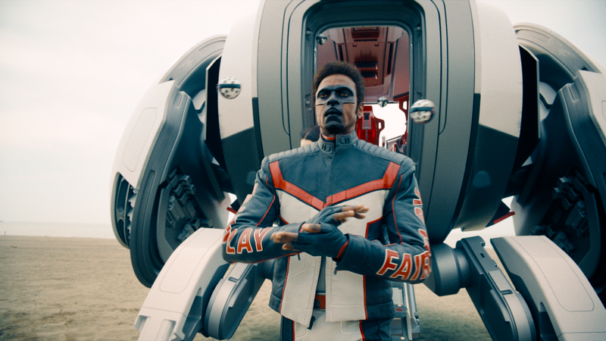
Stand-out performances belong to David Corenswet as Clark Kent/Superman, Nicholas Hoult as Superman’s archenemy, Lex Luthor, and Edi Gathegi as Michael Holt/Mister Terrific. Corenswet holds his own, stepping into some rather large boots as the central character. His Superman is earnest but charming, and he plays well with the stacked cast of interesting characters around him. Hoult delivers a masterclass in portraying a villain with depth, and while he could have crafted an evil caricature, he instead employed variation along with compelling conviction in his version of Lex. And it was not lost on this critic that a lot of his character’s talking points and biases are akin to what we often hear on podcasts and talk radio in the “manosphere,” pushing right-wing propaganda and paranoia. Gathegi as Mister Terrific—an often underutilized character in DC film adaptations—is a pleasant surprise who steals every scene he’s in.
Overall, Superman is a genuinely fun movie with contemporary relevance. This, of course, triggers cries of “woke propaganda” by those who profit off of outrage and the promotion of right-wing talking points. In reality, though, Superman conveys a simple message: Kindness and cooperation go a long way. That’s not “woke;” it’s just simple human decency. The film is a great start to a new take on a popular character, having him reflect the culture of today and the topics weighing heavily in our world.
We hope you appreciated this article. At People’s World, we believe news and information should be free and accessible to all, but we need your help. Our journalism is free of corporate influence and paywalls because we are totally reader-supported. Only you, our readers and supporters, make this possible. If you enjoy reading People’s World and the stories we bring you, please support our work by donating or becoming a monthly sustainer today. Thank you!
CONTRIBUTOR