To many folks, the pop culture of the 1980s, when they think of it at all, is a whirl of day-glo hedonism with random Duranies frolicking on yachts in pastel suits, or post-punk New Wave acts merging disco with experimental post-rock European electronic music. All of that is fine, good, and for young Americans, it might allow for that second British Invasion that influenced chart music and fashions over here for the first time since the 1960s.
For me, I was at university, a precocious young Anglophile in the thrall of a handful of new music acts as the 70s became the 80s. I discovered The Jam from a pair of girls who were visiting from London. No single music act who were my age had meant much to me; I was more in the thrall of people from the 1960s and early 70s who were a decade or two older than me (The Beatles, The Kinks, Bowie, Motown, Stax, Sly Stone). So The Jam, who wore their 60s R&B influences proudly, reached me as nothing had before. The other central enthusiasm of mine was Two Tone, with a cadre of remarkable acts such as The Specials and The Beat. It was pretty powerful to have people my age creating stuff that meant so much to me. And they dressed cool!
A pair of wonderfully curated box sets revisit a load of music from the 1980s that reveal how special a certain element of UK pop embraced soul and jazz and radical left politics that injected class conflict, anti-colonialism, socialism, and so much more into their times and informed fans like me. A lot of this is the soundtrack to my coming-of-age period. These records shaped me in important ways and influenced how I dressed, how I thought, and what I read. It was like having an “in crowd” of sharp-minded friends who clued me into a bigger world and better ideas. What was potent was how it offered something far more seductive than mere hedonism or posturing.
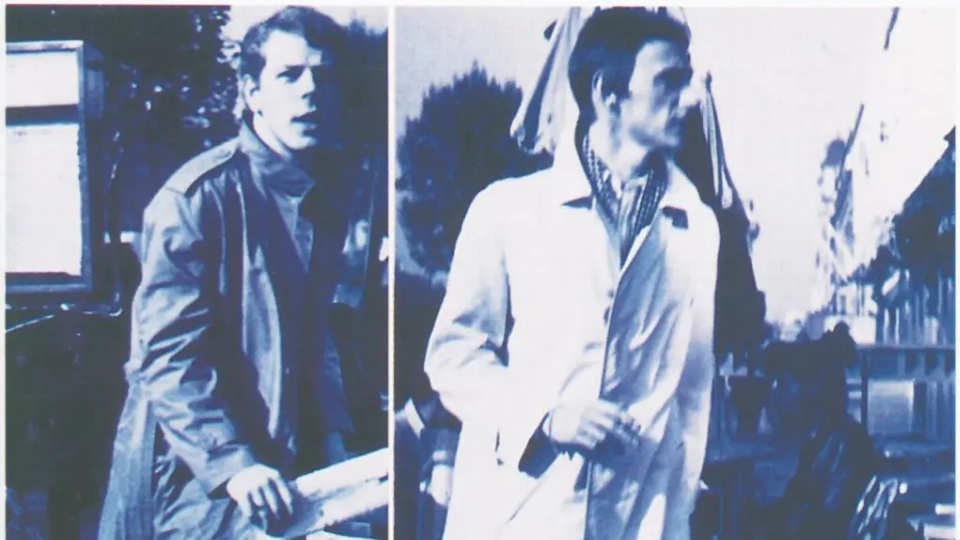
Café Bleu was the first LP from the band Paul Weller created after disbanding The Jam. Many of the kids who were his fans were confused and resentful toward The Style Council. Ostensibly a duo (Weller and Mick Talbot), it was a deeper exploration of Mod, the working-class subculture from the 60s that The Jam had helped revive. Mod was always about more than the bands it birthed, like The Who and Small Faces. The original Mods were devotees of modern jazz from America and, later, of all the brilliant soul music coming from here. Rather than abandoning Mod, he dug further and allowed this to open up his musical palette to create a broader scope of sounds. This new band was an open-form concept that included more diversity. Weller also wanted to escape from just being in what he called a “lad’s band.” He also wanted to craft something less parochial and UK-centric.
The Style Council was brimming with enthusiasm. Not only did the music go so many places sonically, with jazz workouts, soulful ballads, and even well-intended attempts at hip-hop. It also saw Weller’s lyrical content embrace ever more potent and political matters. The Jam had a lot of wonderful social commentary, but The Style Council were far more militant and polemic. Take, for instance, the lyrics to “The Whole Point of No Return,”, a deceptively languid jazzy number from Café Bleu:
“The lords and ladies pass a ruling That sons and girls go hand in land From good stock and the best breeding Paid for by the servile class… Rising up and taking back the property of every man. It’s so easy, so, so easy… Rising up to break this thing From family trees, the dukes do swing Just one blow to scratch the itch The law’s made for and by the rich.”
Even the instrumentals can be provocative, such as “Dropping Bombs On The White House,” a potent jazz workout (the title is a cheeky play on the jazz term of “dropping bombs,” i.e., drum solos ala Art Blakey or Elvin Jones, and a nod to the band’s own teenage drummer Steve White). Weller suggested Geffen Records release the record in the U.S. with this title when they complained that American teenagers would be confused by a French title. The Style Council’s attitude was determinedly working-class and anti-Thatcher.
Again, a look at the lyrics illustrates why this stuff was so motivating. Take “The Money-Go-Round,” a funky tune that showcases Talbot’s groovy mastery of the Hammond B3 and is the first appearance of the incredible Dee C. Lee as contributing vocalist with the group:
“… Too much money in too few places Only puts a smile on particular faces Said too much power in not enough hands Makes me think “get rich quick; take all I can” They’re too busy spending on the means of destruction To ever spend a penny on some real construction… No good looking to the Empire corners, “Civilization” built on slaughter Carrying hopes and carrying maps The spineless ones fall in their laps The brave and the bold are the ones to be fooled With a diet of lies by the Kipling school.”
Moving on to Digging Your Scene, a new installment in Cherry Red Records’ ongoing curation of the 1980s UK subcultures. This collection contains so many examples of key records that shaped who I am. Allow me to pull out a few and share. There’s Everything But The Girl’s “Each and Every One.” Tipped to this young duo by their guest appearance on Café Bleu, this single was my introduction to their body of work (which continues to this day). 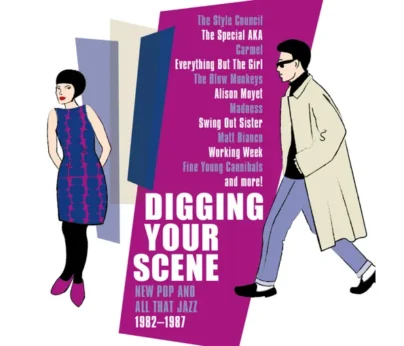
The Blow Monkeys’ “Digging Your Scene,” a sinewy track that recalls the stronger parts of Bowie’s Philly Soul era, even charted highly stateside despite dark lyrics that outline the AIDS crisis. Swing Out Sister’s exuberant “Breakout,” a huge hit that will always sparkle, showcases a willingness to recover the charms of Bacharach/David and other (by then) discarded approaches that added a welcome sophistication. The Special AKA, the more jazz-influenced reconstitution of the Specials, features here with “Housebound.” It’s a great track that revels in the power of the players and Scott Campbell and Rhoda Dakar’s vocals, though I would have opted for “War Crimes or Free Nelson Mandela” if I were curating this collection. Probably my fave track on this compilation is Working Week’s stunning “Venceremos – We Will Win” (Jazz Dance Special 12” Version). Featuring Tracey Thorn (of Everything But The Girl), Robert Wyatt and Chilean vocalist Claudia Figueroa, it’s a stormer that is inspired by the legacy of Victor Jara and the demise of the Allende government. It grooves so hard that it was a dance-floor hit and a key needle drop in the emerging I Dance Jazz club scene. The promo video showcases that scene and was shot at London’s Wag club.
One added element for followers of these acts was how often they, in interviews, championed political issues, name-dropped movements, and shared their own knowledge. Working Week’s Simon Booth was a member of the Communist Party of Great Britain, and many other of the musicians were dedicated proponents of building socialism, fighting racism and homophobia.
Many of the acts often shared a stage at benefit concerts, and they soon were mounting an organized tour in the hopes of removing Thatcher from power. The Red Wedge ostensibly promoted voting for Labour, though it was challenging when the participants clearly saw many problems with the direction the Labour Party was moving in and tried to clarify that it was purely a defeat of the Right that they were pursuing.
More successful were the anti apartheid efforts that saw great records and some incredible concerts, and more successfully connected with organizing. Probably the central political moment was the Miners’ Strike, and a great many of these acts played benefits and released music that was a potent reaction that underscored, as The Style Council sang, that “the class war’s real, not mythologized.”
It’s a testament to the moment these releases highlight: so many players and artists continue to release vital music. Paul Weller has endured and escaped becoming a relic by continuing to expand the ever-broadening landscape of his work. And though he was left bitter by the shortcomings of Labour after the Red Wedge experience, he has recently organized the “Gig for Gaza” and been very vocal about opposing Israel’s genocide. A recent collaborative 7-inch single (as The Five Techniques, with Weller sharing vocals with Róisin El Chair), “Resistance In The Dark,” demonstrates enduring commitment and features an especially potent, harrowing promo clip that helps serve up what the media so often avoids.
There’s also the broader musical legacy that has helped create a healthy, diverse music movement, inspiring a global commitment to music with such deep roots that it will continue to grow and bear fruit, be it Broken Beat, Acid Jazz, etc. Over the years, I have gotten clued in to music from so many places and scenes across the world that share the vital style and substance I first encountered in the 1980s through these acts. Highly recommended!
Various Artists: Digging Your Scene – New Pop And All That Jazz 1982-1987 (4CD Box Set Cherry Red Records), The Style Council: Café Bleu – Special Edition (6CD / 3 LP Box Set Polydor Records), and The Five Techniques – Resistance in the Dark featuring Roisin El Cherif & Paul Weller (7” inch single, Heavenly Records) are all currently available.
We hope you appreciated this article. At People’s World, we believe news and information should be free and accessible to all, but we need your help. Our journalism is free of corporate influence and paywalls because we are totally reader-supported. Only you, our readers and supporters, make this possible. If you enjoy reading People’s World and the stories we bring you, please support our work by donating or becoming a monthly sustainer today. Thank you!
CONTRIBUTOR